
Sustainable Practices in the Fitness and Wellness Industry: How Going Green Can Boost Health and Performance
- Thando Tshabalala
- Nov 9, 2024
- 4 min read

Introduction
As the world increasingly turns its focus toward environmental sustainability, industries across the globe are finding ways to incorporate eco-friendly practices. The fitness and wellness sector is no exception. From gyms and wellness centers to fitness equipment manufacturers and wellness product suppliers, there is a growing recognition of the need for sustainability. Adopting green practices not only helps protect the environment but can also improve business operations and contribute to the well-being of clients. In this blog, we’ll explore the sustainable practices currently shaping the fitness and wellness industry and how these green strategies benefit both the planet and your health.
1. The Importance of Sustainability in Fitness and Wellness
The fitness and wellness industry has a significant environmental footprint. Energy consumption in gyms, waste from disposable products, and the manufacturing of non-sustainable fitness equipment all contribute to environmental degradation. As more people become environmentally conscious, there is an increasing demand for fitness businesses to adopt sustainable practices.
By transitioning to more sustainable practices, fitness professionals can:
Reduce their carbon footprint: By using energy-efficient equipment, adopting eco-friendly materials, and minimizing waste.
Support long-term health: Not just by promoting physical fitness, but also by ensuring that the environment remains healthy for future generations.
Enhance brand reputation: Consumers are increasingly looking for businesses that align with their values. Eco-friendly businesses stand out and build loyalty among clients who care about sustainability.
2. Sustainable Practices in Fitness Centers and Gyms
Gym owners and fitness professionals can take several steps to make their facilities more sustainable. These eco-friendly changes not only reduce environmental impact but also enhance the overall client experience.
A. Energy Efficiency
Energy-efficient lighting: Switching to LED lighting or installing motion sensors that automatically turn lights off when rooms are unoccupied can dramatically reduce energy consumption.
Eco-friendly HVAC systems: Installing energy-efficient heating, ventilation, and air conditioning systems, or ensuring regular maintenance to optimize existing equipment, can lower energy use.
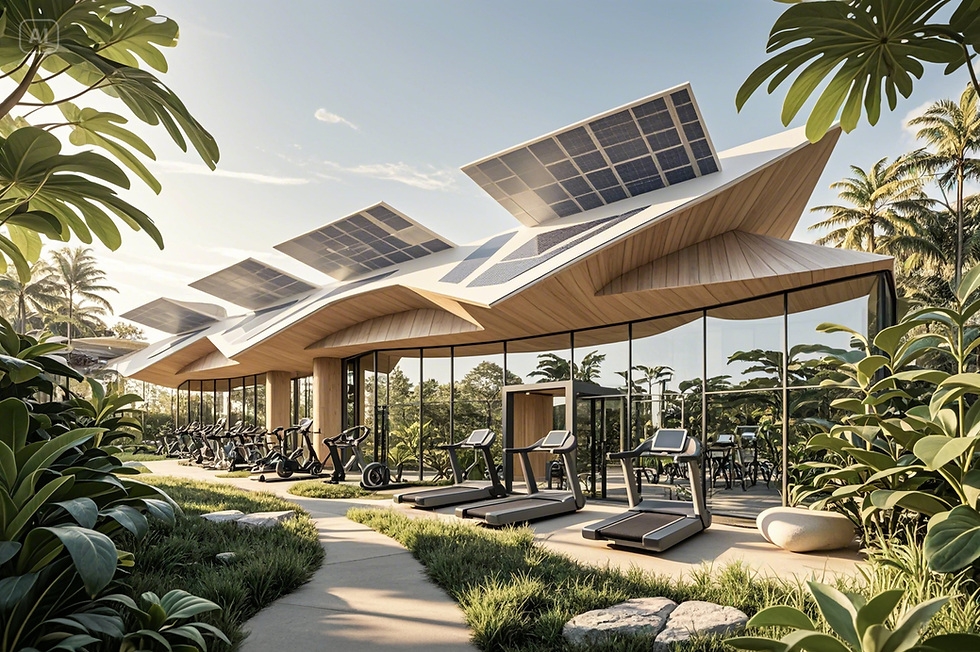
Solar Power: Some fitness centers are adopting solar panels to power their operations, making the gym's energy consumption more sustainable.
B. Water Conservation
Low-flow faucets and showerheads: By installing water-efficient fixtures in restrooms and showers, gyms can significantly reduce water wastage.
Waterless cleaning systems: Using innovative cleaning products that require less water or even no water at all can help further reduce a gym's environmental impact.
C. Green Cleaning Products
Non-toxic and biodegradable cleaning supplies: Many gyms are switching to eco-friendly cleaning products that do not release harmful chemicals into the environment. These products are safer for clients and staff and reduce the chemical load in the ecosystem.
3. Sustainable Fitness Equipment
The equipment used in gyms and wellness centers is often made from materials that are harmful to the environment. However, there is a growing trend toward more sustainable options in the production of fitness equipment.
A. Eco-Friendly Materials
Recycled Materials: Many equipment manufacturers are now using recycled materials like rubber, plastic, and steel to create weight benches, dumbbells, and flooring.
Sustainable Fabrics: For yoga mats, towels, and gym wear, companies are opting for biodegradable or recycled fabrics. Materials like organic cotton, hemp, and recycled polyester are becoming increasingly popular.
B. Long-Lasting Durability
Quality over quantity: Choosing high-quality equipment that lasts longer reduces the need for frequent replacements, minimizing waste in the long run.
Equipment repair and upcycling: Some businesses are embracing the philosophy of repairing and upcycling equipment rather than discarding it.

4. Wellness Products and Services with Sustainability in Mind
The wellness industry has expanded beyond fitness centers, with wellness products and services becoming a significant part of the market. Many companies are stepping up by offering eco-friendly and sustainable alternatives.
A. Sustainable Fitness Wear
The clothing and apparel industry is one of the largest contributors to pollution, but sustainable activewear is on the rise. Brands are now using eco-conscious fabrics like organic cotton, bamboo, and recycled polyester, along with eco-friendly dyeing methods to reduce their environmental impact.
B. Eco-Friendly Supplements and Nutritional Products
As more consumers seek natural wellness options, many supplement companies are turning to sustainable practices in the production and packaging of their products. Look for:
Biodegradable packaging: Using recyclable or compostable materials to package supplements, protein powders, and other wellness products.
Sustainable sourcing: Ethical sourcing of ingredients, such as plant-based proteins and organic herbs, ensures minimal environmental damage during production.
C. Sustainable Yoga and Meditation Products
Yoga mats, blocks, and other props are often made from PVC, a harmful plastic. Eco-conscious companies are now producing mats made from natural materials like cork, jute, and rubber, which are biodegradable and free from harmful chemicals. Similarly, meditation cushions are being crafted from organic materials and sustainable dyes.
5. Promoting Sustainable Behavior Among Clients
Fitness professionals have the unique opportunity to educate clients on the importance of sustainability in their own lives. Here’s how:
A. Encourage Green Transportation
Carpooling and biking: Encourage clients to bike or carpool to the gym to reduce their carbon footprint.
Public transport options: Highlight nearby public transport options to help reduce reliance on individual cars.
B. Teach Eco-Friendly Practices
Reusable water bottles: Encourage clients to bring their own water bottles instead of using disposable plastic ones.
Sustainable shopping habits: Offer resources and advice on how clients can make sustainable purchases, from choosing eco-friendly products to supporting ethical brands.
C. Support Sustainability Initiatives
Partnerships with eco-conscious brands: Collaborate with companies that share your commitment to sustainability, whether it’s selling eco-friendly products or promoting green fitness practices.
6. The Future of Sustainability in Fitness and Wellness
The trend toward sustainability in the fitness and wellness industry is gaining momentum and will only continue to grow. As technology advances, new innovations will make it easier for fitness businesses to implement sustainable practices. From energy-efficient gyms to zero-waste wellness centers, the future looks bright for green fitness.
Fitness businesses that adopt sustainable practices will not only contribute to a healthier planet but also enhance their brand’s image and appeal to eco-conscious consumers. Sustainability isn’t just a trend—it’s becoming a necessity.
Conclusion
Sustainable practices in the fitness and wellness industry are more than just a passing trend—they are a step toward a healthier planet and a healthier population. By adopting eco-friendly initiatives, from using sustainable materials to educating clients about green behavior, businesses can contribute to a more sustainable world while boosting their own success.


Comments